The Ultimate Kilimanjaro Packing List: What to Bring and What to Leave Behind

Climbing Mount Kilimanjaro is a thrilling adventure, but it requires careful preparation — and that includes packing the right gear. The gear you bring can make a huge difference in your comfort, safety, and success on the mountain. But with so many things to consider, it’s easy to overpack or forget essential items. In this guide, we’ve compiled the ultimate packing list to help you prepare for your Kilimanjaro trek — and ensure that you have everything you need for an unforgettable journey.

Essential Clothing: Layering for Comfort and Safety

Mount Kilimanjaro spans five ecological zones, and as you ascend, the temperature can vary drastically — from tropical heat at the base to freezing cold at the summit. Layering your clothing is key to staying comfortable and protected throughout the trek.

  1. Base Layer (Moisture-Wicking)

The first layer is crucial for moisture control. As you hike, your body will sweat, and a moisture-wicking base layer will keep that sweat off your skin to prevent chafing and discomfort. Opt for lightweight synthetic or merino wool materials to stay dry and warm.

  • Top: A moisture-wicking long-sleeve shirt or t-shirt.
  • Bottoms: Moisture-wicking underwear and long pants (preferably lightweight and quick-drying).
  1. Mid Layer (Insulating Layer)

As you climb higher, the temperature drops, and you’ll need to add an insulating layer. A fleece jacket or a down jacket works well for this purpose. Choose something lightweight and packable that can be added or removed as needed.

  • Top: Fleece or soft-shell jacket.
  • Bottom: Fleece pants or insulated leggings for warmth during the colder hours.
  1. Outer Layer (Waterproof and Windproof)

At higher altitudes, you may face unpredictable weather, including rain, wind, and snow. A high-quality waterproof and windproof jacket and pants are essential to keep you dry and warm.

  • Jacket: A durable, breathable, and waterproof jacket with a hood.
  • Pants: Waterproof and windproof trekking pants to protect against rain and wind.
  1. Accessories
  • Gloves: A pair of warm, waterproof gloves for summit day (consider liner gloves for extra warmth).
  • Hat: A lightweight hat for sun protection and a warm beanie for the colder weather.
  • Neck Gaiter/Buff: Great for protecting your neck, face, and ears from the cold and sun.

Footwear and Gear: Foot Care is Key

Your feet will be your best friend on the trek, so choosing the right footwear and accessories is essential for comfort and safety.

  1. Trekking Boots

A sturdy, well-fitted pair of trekking boots with good ankle support is a must. Look for waterproof boots with good traction to handle the rough and sometimes slippery terrain. Be sure to break them in before the trip to avoid blisters.

  1. Camp Shoes

After a long day of trekking, your feet will appreciate a break from the boots. A pair of comfortable, lightweight camp shoes (such as sandals or sneakers) will allow your feet to breathe and recover.

  1. Socks

Proper socks are a vital part of foot care. Bring several pairs of moisture-wicking socks to prevent blisters and keep your feet dry. Merino wool or synthetic blends are excellent options, and you’ll want both thick socks for warmth and thin socks for comfort on lower altitudes.

  • 4-6 pairs of socks (preferably moisture-wicking).
  • Liner socks to prevent blisters and reduce friction.
  1. Trekking Poles

Trekking poles are highly recommended for stability and support, especially when navigating steep sections. They can help reduce the impact on your knees and provide balance in uneven terrain. Make sure your poles are adjustable to accommodate varying terrain.

  1. Backpack

A daypack (around 20-30 liters) is essential for carrying your personal items like water, snacks, a first-aid kit, and layers of clothing. For the larger load, a duffel bag (or trekking gear bag) will be carried by porters.

  • Daypack: Lightweight with a comfortable harness.
  • Duffel bag: To store your main items, typically a 60-70L size.

Personal Items: The Essentials for Health and Comfort

When packing for Kilimanjaro, it’s important to bring the right personal items that will keep you healthy and comfortable throughout the journey. Here’s a list of the must-have items to keep on hand.

  1. Water and Hydration System

Staying hydrated is essential when trekking at high altitudes. A hydration system (like a Camelbak) or water bottles (preferably 2-3 liters) is necessary to drink regularly. Many routes offer access to water at camp, but it’s a good idea to bring a water purification method (e.g., purification tablets or a water filter).

  • Water bottles (with at least 2 liters capacity).
  • Water purification tablets or a filter.
  1. Snacks and Energy Foods

The days on Kilimanjaro are long, and having high-energy snacks to keep your energy up is crucial. Pack items like:

  • Energy bars (e.g., granola bars, protein bars).
  • Nuts and dried fruit for a quick source of calories.
  • Electrolyte tablets or drinks to replenish minerals.
  1. First-Aid Kit

Though your guides will carry a basic first-aid kit, it’s a good idea to bring some personal medications and supplies. Include things like:

  • Pain relievers (e.g., ibuprofen or paracetamol).
  • Altitude sickness medication (check with your doctor before the trip).
  • Blister treatment (band-aids, blister pads).
  • Antiseptic wipes and creams.
  1. Sunscreen and Lip Balm

The high-altitude sun can be intense, even when it’s chilly. Protect your skin and lips with:

  • High SPF sunscreen (SPF 50+).
  • Lip balm with SPF.
  1. Headlamp and Batteries

A headlamp is essential for navigating in the dark, especially during summit day when you’ll be starting your ascent in the early hours. Pack extra batteries, as the cold can drain power quickly.

  • Headlamp with extra batteries.
  • Chargers for your phone or camera, though electricity is limited.

What to Leave Behind: Avoiding Overpacking

While it’s tempting to bring everything you might need, overpacking is a common mistake. Kilimanjaro’s environment requires you to be both practical and prepared, but that doesn’t mean you need to overstuff your bag with unnecessary items. Here’s what you can leave behind:

  1. Too Many Clothes

While layering is essential, don’t overdo it. You won’t need multiple outfits. Keep it simple with the essentials, and remember that your trek is about comfort and function.

  • Leave behind: Extra clothes that you don’t need, especially those that won’t be used during the trek.
  1. Heavy or Bulky Gear

You’ll be trekking for several days, and lighter is better. Avoid packing items that are too bulky or heavy.

  • Leave behind: Heavy cameras (bring a lightweight one instead), unnecessary gear, and non-essential luxuries like jewelry or excessive toiletries.
  1. Too Much Food

While snacks are important, you don’t need to overpack. Your guides will provide meals along the way, and you’ll have access to plenty of food at camp.

  • Leave behind: Excess food that takes up space and weight in your pack.

Packing Smart for Your Kilimanjaro Adventure

Packing for Kilimanjaro doesn’t have to be overwhelming. By following this comprehensive packing list, you’ll ensure you have everything you need for a safe, comfortable, and successful trek. Focus on layering, keeping your load light, and bringing the essentials for health, hydration, and safety.
Easy Ways to Immerse Yourself in Culture while Traveling

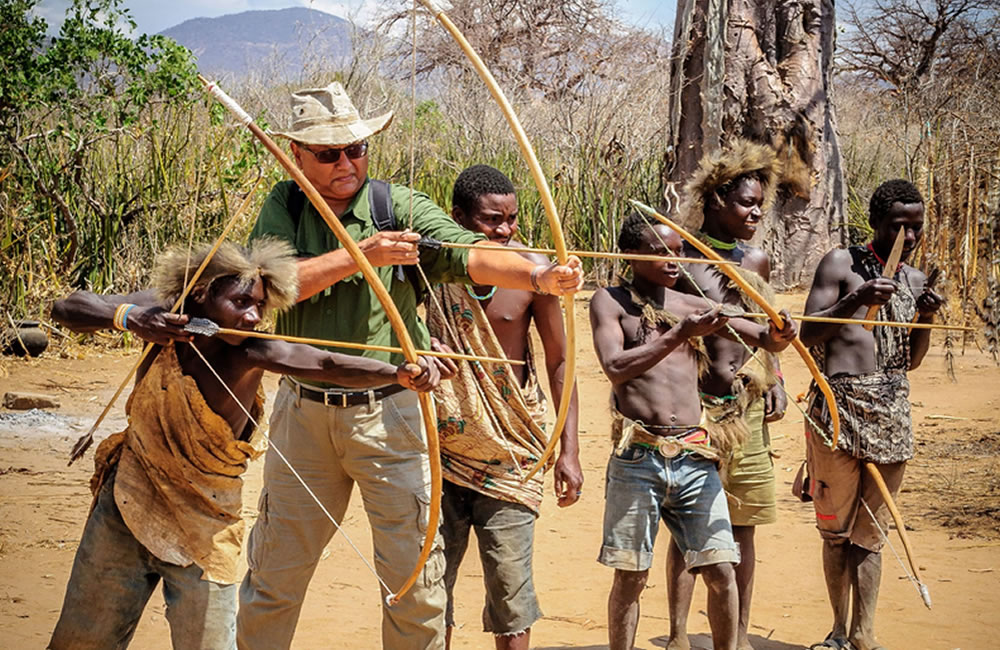
Traveling is not just about visiting popular tourist spots, but about experiencing the local culture in meaningful ways. Whether you are exploring a new city or a remote village, immersing yourself in the culture can lead to unforgettable memories and a deeper understanding of the place you are visiting. However, when you are busy with a packed itinerary, it can be easy to miss out on these authentic African safari experiences. I have known people who have left a country feeling like they never really experienced the authentic culture. Do not let this be you! With these said, you will find easy ways to immerse yourself in local culture while traveling. Make these a priority and you will head home feeling like you had a truly well-rounded experience with no regrets.

TRY TO SPEAK THE LANGUAGE

I know that speaking a new language can feel scary. But listen to this: even if you are not perfect, trying to speak the local language can help you connect with people. Whether it is saying “hello,” ordering food, or asking for directions, people usually like it when you try. Even if you make a mistake, they will probably smile. Don’t worry about getting things wrong; mistakes can make people laugh or help you learn. Speaking the language helps you understand the culture better and connect with others. So, give it a try and learn a few phrases.

TRY THE FOODS 

Diving into the local culinary scene, even when unfamiliar, is a delicious gateway to immerse yourself into a new culture during your travels. And one of my favourite ways to experience a culture, do not hesitate to try the foods, even if you are not sure you would like them. Sampling regional dishes exposes your palate to unique flavors, textures and traditions. For example, I absolutely despise Ugali in the Kenya, but trying it in Uganda is a game changer, experiencing a culture through the food scene truly creates some of the most memorable moments. It’s an easy and appetizing way to truly connect with the authenticity of your surroundings. 

TALK TO LOCALS TO LEARN ABOUT THEIR CULTURE

I truly believe that having conversations with locals is one of the most powerful ways to immerse yourself in a new culture during your travels. Whether it is at a cafe, market, or event, striking up a conversation can led to some exciting things. Locals often possess a wealth of knowledge about their hometown, sharing insights, recommendations, and stories that can’t be found on Google. Take the opportunity to ask locals questions, listen, and exchange experiences. It’s moments like these that will help you have a better, more memorable time during your travels, and you will remember them every time you reflect on your trip in the future.

GO OFF THE BEATEN PATH

As much as we have to cross off those bucket list tourist spots such as the Parthenon or the Colosseum, always make sure to leave some time in your busy itinerary to just wander. Venturing off the beaten path is an easy way to unlock hidden treasures and truly absorb the authentic essence of a destination during your travels. So, take the road less travelled, explore neighbourhoods away from tourist hubs, and discover the charm of lesser-known gems. Wander through local markets, meander down quiet streets, and stumble upon unique spots that escape the guidebooks.

DO NOT STAY IN A HOTEL OR RESORT

Ditching the traditional hotel or Airbnb for a homestay with a local family is the ultimate passport to cultural immersion and trust me, it is a game-changer. I will never forget my experience staying with locals in the Kaabong. We could not speak a word of each others language, but some how I learned more in this experience than any other in my time traveling. It may sound intimidating, but I promise staying with a family is an experience a five-star hotel can never replicate!

SPEND SOME TIME IN ONE PLACE TO TRULY IMMERSE YOURSELF IN THE CULTURE

If you are anything like me, you cherish every precious vacation day. In the rush to make the most of limited time off, it is tempting to cram your itinerary with numerous experiences. While I appreciate the allure of fast paced travel, my heart truly belongs to the art of slow exploration.

Even if you can not dedicate an entire month to one location, consider extending your stay by a couple more days. Embrace the luxury of unhurried moments to truly immerse yourself in the culture of a place. Experiencing a city’s food scene or culture requires more than just a fleeting day or two. That is why I advocate for having multiple plan free days in one spot. These days are designed for aimless wandering, allowing the city’s enchanting streets, vibrant restaurants, and charming cafes to unfold before you at their own unhurried pace.

GET OUT OF MAJOR CITIES

While precious landmarks and common attractions may lure you into urban centers, consider venturing beyond the city limits to discover the authentic culture of a destination. Smaller towns and rural areas often hold hidden treasures, offering a glimpse into genuine local life, traditions, and customs.

So be sure to spend some time out of the urban frenzy of the city! From charming countryside villages to coastal retreats, the lesser-explored regions can provide a more intimate and immersive experience.

TAKE A COOKING CLASS

This is one of the best ways to meet locals while learning their culture through their food! Whether it’s pasta making in Italy or a Peruvian cooking class in Cusco, this is a way to create a memory that will last a lifetime. Plus, you’ll have the knowledge to recreate a recipe once you’re back home.

AVOID CHAIN RESTAURANTS

Forget about those chain restaurants and venture into the culinary heart of a destination by exploring authentic, locally-owned eateries. These will provide a much more authentic experience!

So steer clear of those generic restaurants near touristy places and opt for some hidden gems off the beaten path. Doing some research prior will always pay off. By reading blog posts, checking ratings, and talking to locals, and you’ll get a better feel for the best authentic restaurants and you’ll leave remembering those unique tastes forever!

TAKE A WALK WITH THE GOAL TO GET LOST

Taking a leisurely stroll with the intention of getting lost can be a delightful and enriching way to immerse yourself in the local culture during your travels. Exploring unfamiliar alleys and pathways often leads to serendipitous discoveries, as you stumble upon hidden gems and unexpected delights that may not be on your original itinerary.

Looking back on my travels, these spontaneous encounters are often some of my most memorable travel experiences! So, take a walk with a goal to get lost, embrace the unexpected, and let the local culture reveal itself in ways you wouldn’t have imagined. It’s an easy yet effective way to truly connect with the destination you’re exploring.

Conclusion

To truly immerse yourself in a new culture while traveling, it’s important to slow down, engage with locals, try new things, and step outside the usual tourist paths. By prioritizing these experiences, you’ll return home with a richer, more memorable travel experience that goes beyond just visiting landmarks.

Guide to Climbing Kilimanjaro Mountains

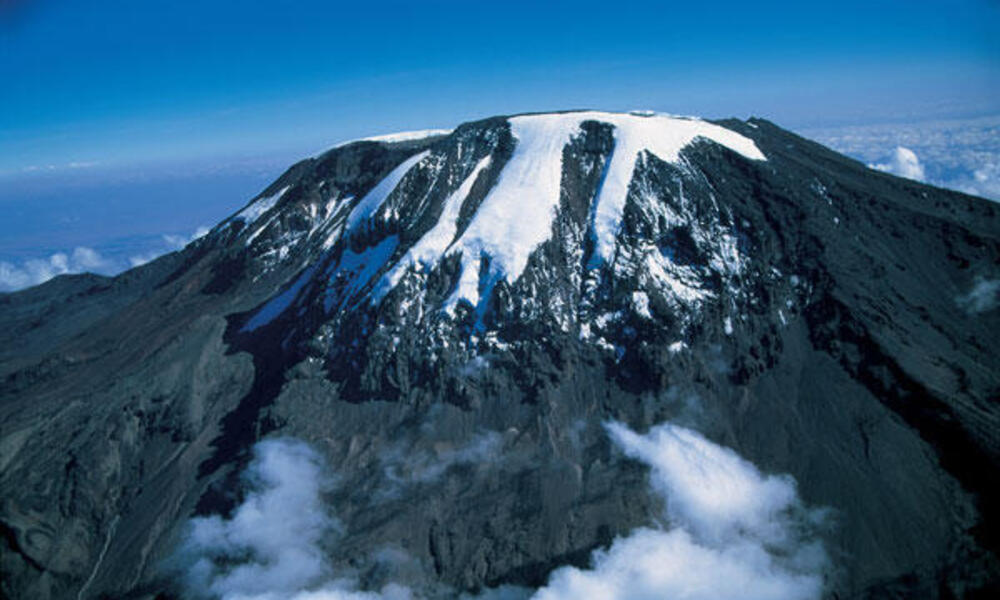
Kilimanjaro is the world’s highest free standing, snow-covered equatorial mountain. Located in North-East of Tanzania, this magnificent beast can be seen from far into Kenya and Amboseli National park.

75,000 people climb Kilimanjaro per year so it is not the most remote mountain, neither is it the most arduous, but it is certainly a test of one’s abilities with altitude sickness being the main reason for climbers not to summit. Although it has become a ‘must-do’ in on most traveller’s lists and the experience slightly busy with other climbers, we still highly recommend it for anyone with a vague interest in mountaineering.

Kilimanjaro represents a powerful life force for the local Chagga people and all those who have made their lives around this mountain, providing rich volcanic soils for agriculture and an endless source of pure spring waters.

One of the most amazing aspects of the mountain in the present day is the accessibility of its peak to climbers with no mountain climbing equipment or real previous experience of scaling such heights. Kilimanjaro is the highest mountain that regular tourists can climb, although it remains a considerable feat of human endurance!

Group Tours – Why Adventure East Africa in a Group?

Group travel is one of the best ways to adventure East Africa. If you are a budget minded traveler, planning a group adventure can be the best option to see more for less. Whether you are looking to gorilla trekking in Rwanda and Uganda or looking for a big five safari, traveling in a group will bring your trip costs lower!

Traveling as a group has a number of befits as the following below tries to explain

Discounted rates: The more big the group is, the lesser amount charged, so this is a great advantage of traveling as a group transport, accommodation, and food cost will all be shared by everyone hence ending up economizing the costs and the saved money can be used to do something else. Most hotels, guest houses and airline companies offer group rates and special discounts for the lowest price possible. Even in national parks and other tourist attraction, they offer a discount on big groups, and tour companies too offer a price quote based on the number of people traveling. So don’t miss chance of traveling as a group

Socializing: Group tour is the best way to connect with your friends and family, it offers the best time to relate and interact with your friends who have lost for a long period of time. Not only that but you can even connect more to new friend whom you share similar interests and experiences. Remember when on a safari you can share a of lot stories during the camp fire which sometimes brings you memories of the past. We hire group vehicles which can take from 8-26 people including ranging from a van, supper custom, and land cruiser to a coaster which can carry up to 26 people

Comforts Preparation of the trip: Traveling as a group eases decision making as numerous ideas will be brought in and suggestions from participating members. As a group you can sit down and discuss on the number of issue that can make your safari a memorable one like issue of transportation, accommodation, tour company to use among others, which is sometimes very herd if you’re travelling alone or two members which would be a lot more stressing.

Safer & Convenient: Also traveling as a group gives you security especially if you are travelling in a foreign country. Even if you get a problems on the way like break down you can rely on other members to find a solution or collective effort to solve the issue at hand.

Those among other can give you the best while on safari tour, just book with us we will arrange for you a well-organized safari referring to you interest.

Visa Information in Rwanda-Uganda

If you are to visit Rwanda or Uganda, you must have a valid visa and passport. A visa acts as a legal document that allows one to enter a foreign country and therefore tourists are required to obtain them before being allowed to enter these East African countries.

Visa Information Rwanda

Due to the agreements between the Rwanda government and other foreign governments, there are some countries whose nationals do not require a visa card to enter the country like;-Hong Kong, Singapore, Mauritius, Democratic Republic of Congo and Philippines. Nationals from those states are free to visit Rwanda without Visa cards but this only applies for 90 days from the date of issue. Also nationals from East Africa do not require visas to enter Rwanda and this only applies for 6 months from the date of issue.

It should be noted that nationals from Israel, South Africa, New Zealand, Germany, Australia, Sweden, United States of America and United Kingdom are issued with entry visas which cost USD 30 and are valid for a period of 30 days. These are paid for on arrival in the country without prior application.

How to Obtain a Rwandan Visa

Foreigners who wish to get a Rwandan Visa are required to submit their applications to Rwandan Diplomatic Missions of their country of residence for further processing. They should pick them once the processing is over and after determining that they qualify for the visas. In situations where there is no Diplomatic Mission, foreign nationals should obtain a visa acceptance letter online. This acceptance letter is presented on arrival in Rwanda to obtain a visa card upon paying a fee of USD 30.

Visa information Uganda

Just like Rwanda, there are some countries whose nationals do not require a visa to visit Uganda like;- Bahamas, Burundi, Angola, Comoros, Antigua, Fiji, Barbados, Jamaica, Cyprus, Belize, Gambia, Ireland, Italy (Diplomatic Passport holders only), Grenade, Kenya, Malta, Lesotho, Madagascar, Malawi, Sierra Leone,Rwanda,Tanzania,Seychelles,Singapore,Swaziland,Tonga,Zimbabwe,Solomon Islands, Zambia, St. Vincent and Grenadines and Vanuatu.

A single entry Ugandan Visa which is valid for 3 months costs £30 in United Kingdom and USD 50 at entry point in Uganda. A multiple entry visa goes for £80 and this is for six months from the date of issue.

How to obtain a Ugandan visa

Intending foreign nationals can obtain visas from Uganda Missions abroad by simply applying for them and waiting for the processing. One may also opt to obtain it at the different entry or exit stations.


Have Fun this Christmas on a Uganda Safari

Have you ever been in Uganda? Do you plan to visit Uganda this December? It is a brilliant idea to celebrate this Christmas in Uganda and you should do something different either with your beloved family or your partner by taking a Uganda safari this season!

Taking of the many different Uganda safaris, Uganda as a country will give you an adventure you are sure to never forget elsewhere. From visiting the endangered mountain gorillas in Bwindi Impenetrable, host to more than half of the remaining mountain gorillas, to trekking the Rwenzoris (Mountains of the Moon), enjoying sunset cruises along the Kazinga Channel, taking game drives through the savanna landscapes of the Queen Elizabeth National Park to rafting the mystical Kalagala Falls along the Majestic Nile. There are many opportunities to discover while on a safari adventure in Uganda.

Why Tour Uganda?

  • You will travel all through the surrounding areas of Uganda and see all kinds of wildlife in their natural habitat.
  • You will be guided by expert highly knowledgeable tour guides and you will be completely safe since they do everything they can to take the necessary precautions.
  • You can track gorillas and watch how they interact with each other.
  • There are other bird tracking safaris that you can choose from.
  • Each safari has a different time set that they can last. Some are a few hours, others are days and some are even weeks, it all depends on what your budget is and of course how comfortable you are with the whole idea.
  • These safaris are for those tourists who want to get the full Uganda experience.

Interested in booking last minute discounted safari deals? Contact your local travel agency today for more details.