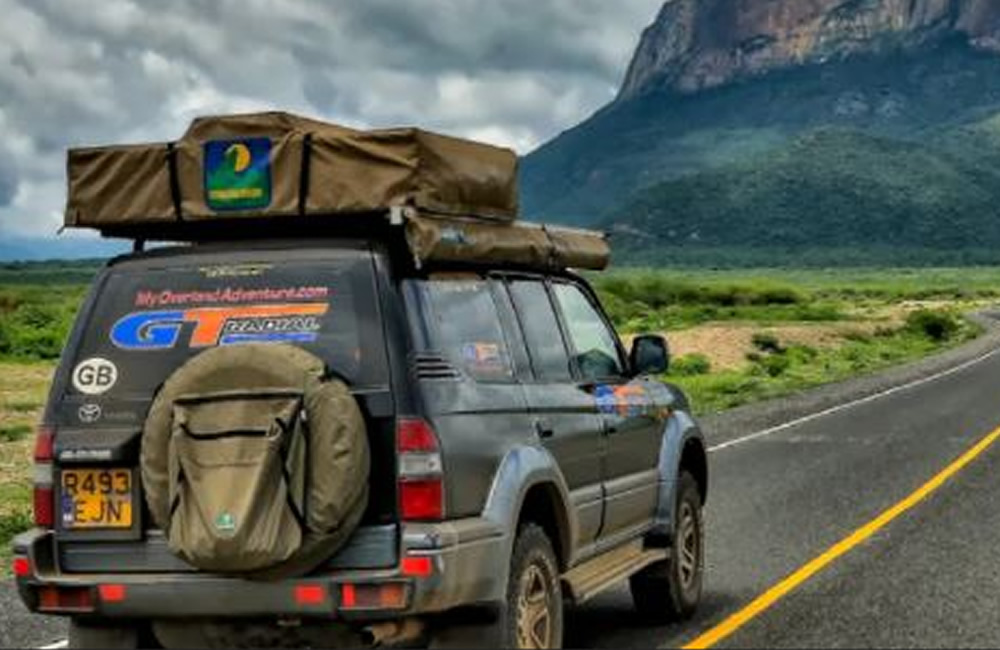
Kenya is one of Africa’s premier safari destinations, offering breathtaking landscapes, abundant wildlife, and an excellent road network that makes self-drive adventures both exciting and rewarding. Whether you are chasing the Great Migration, searching for elusive big cats, or exploring volcanic landscapes and pristine lakes, a Kenya self-drive safari gives you the freedom to travel at your own pace while discovering the country’s remarkable natural beauty.
From the vast savannahs of the Maasai Mara to the elephant-filled plains beneath Mount Kilimanjaro, Kenya’s national parks provide unforgettable experiences for both first-time visitors and seasoned safari enthusiasts. Here are some of the best national parks to include in your Kenya self-drive itinerary.
- Maasai Mara National Reserve
No self-drive safari in Kenya is complete without visiting the world-famous Maasai Mara National Reserve. Renowned for its incredible concentration of wildlife, the reserve is home to the Big Five—lion, leopard, elephant, buffalo, and rhino—as well as cheetahs, hyenas, giraffes, zebras, and countless antelope species.
The Maasai Mara is particularly famous for the annual Great Migration, when over two million wildebeest, zebras, and gazelles cross from Tanzania’s Serengeti into Kenya between July and October. Witnessing dramatic river crossings filled with crocodiles is one of Africa’s greatest wildlife spectacles.
Driving Tips
- A 4×4 vehicle is highly recommended, especially during the rainy seasons.
- Leave early for game drives to maximize wildlife sightings.
- Fuel up before entering the reserve.
Note: Though you can have the best experience in most of the Kenya national parks on a self-drive, you will have to hire a driver guide in Masai Mara.
- Amboseli National Park
Located near the Tanzania border, Amboseli National Park is famous for its large elephant herds and breathtaking views of Mount Kilimanjaro. The park’s open plains make wildlife easy to spot, making it one of Kenya’s best destinations for self-drive safaris.
Besides elephants, visitors commonly encounter lions, cheetahs, hyenas, giraffes, buffaloes, zebras, and more than 400 bird species.
Driving Tips
- Dry-season travel offers easier driving conditions.
- Visit observation hill for panoramic views of the park.
- Tsavo East National Park
As one of Kenya’s largest protected areas, Tsavo East National Park offers endless wilderness and fewer crowds compared to more famous parks. The park is known for its famous “red elephants,” which coat themselves in the region’s distinctive red volcanic soil. Wildlife includes lions, elephants, buffaloes, giraffes, zebras, crocodiles, hippos, and numerous bird species. Other amazing features in the park are the Lugard falls and Aruba Dam.
Driving Tips
- Carry sufficient water and fuel due to the park’s large size.
- A GPS or offline navigation app is helpful.
- Tsavo West National Park
Neighboring Tsavo East, Tsavo West National Park features rugged volcanic landscapes, lava flows, rocky hills, and lush springs. It provides a completely different safari experience with scenic drives and excellent wildlife viewing.
One of its most famous attractions is Mzima Springs, where crystal-clear waters allow visitors to observe hippos and crocodiles from an underwater viewing chamber.
Driving Tips
- Roads can become muddy after heavy rains.
- Allocate at least two days to explore fully.
- Lake Nakuru National Park
Lake Nakuru National Park is one of Kenya’s best places to see rhinos. Both black and white rhinos thrive here thanks to strong conservation efforts.
Although flamingo numbers vary depending on lake conditions, visitors can still enjoy sightings of pelicans, cormorants, fish eagles, and over 450 bird species. Wildlife in the park includes lions, leopards, Rothschild’s giraffes, zebras, waterbucks, and buffaloes.
Driving Tips
- Roads are generally suitable for self-driving.
- Early mornings offer excellent wildlife viewing.
- Nairobi National Park
Located just minutes from Kenya’s capital city, Nairobi National Park is unique because visitors can enjoy authentic wildlife viewing with the city’s skyline in the background.
Despite its urban location, the park hosts lions, rhinos, giraffes, buffaloes, zebras, ostriches, and numerous bird species. It is an ideal first or last safari stop before international flights.
Driving Tips
- Visit early to avoid city traffic.
- Weekdays are generally quieter than weekends.
- Meru National Park
Meru National Park remains one of Kenya’s hidden safari gems. Less crowded than many popular parks, it offers rivers, forests, grasslands, and abundant wildlife. The park gained international recognition through the conservation story of Elsa the lioness, made famous in the book and film Born Free. During the self-drive experience, visitors may encounter elephants, lions, leopards, cheetahs, hippos, crocodiles, and over 400 bird species.
- Hell’s Gate National Park
Unlike most Kenyan parks, Hell’s Gate National Park allows visitors to explore on foot or by bicycle, making it one of the country’s most unique safari destinations.
The park features towering cliffs, geothermal activity, dramatic gorges, and abundant plains wildlife, including zebras, giraffes, buffaloes, gazelles, and warthogs. It also inspired landscapes featured in Disney’s The Lion King. While at the park, take part in experiences like cycling safaris, rock climbing hiking opportunities and others.
Driving Tips
- Suitable for nearly all vehicle types.
- Bring comfortable walking shoes.
Tips for a Successful Kenya Self-Drive Safari
To ensure a safe and enjoyable journey:
- Rent a reliable 4×4 vehicle for better performance on rough roads.
- Download offline maps before leaving major towns.
- Refuel whenever possible, especially before entering remote parks.
- Carry plenty of drinking water, snacks, and a first-aid kit.
- Observe speed limits and stay on designated tracks.
- Never feed or approach wildlife.
- Check weather forecasts and road conditions before departure.
- Book accommodation well in advance during peak safari seasons.
Best Time to Visit
Kenya offers year-round safari opportunities, but the dry seasons provide the best driving conditions and wildlife viewing.
- June to October: Peak safari season with excellent wildlife viewing and the Great Migration in the Maasai Mara.
- January to March: Warm, dry weather with fewer visitors and outstanding game viewing.
- April to May and November: Green seasons with fewer crowds, beautiful scenery, and lower accommodation rates, although some roads may become muddy.
Conclusion
A self-drive in Kenya offers an unforgettable combination of adventure, flexibility, and spectacular wildlife encounters. Whether you’re watching elephants beneath Mount Kilimanjaro in Amboseli, witnessing the Great Migration in the Maasai Mara, cycling through Hell’s Gate, or exploring the remote wilderness of Meru, each park offers a unique experience.
With careful planning, a reliable 4×4, and a spirit of adventure, Kenya’s national parks promise memories that will last a lifetime. Take your time, respect nature, and enjoy the freedom of discovering one of Africa’s greatest safari destinations on your own terms.
Leave a Reply