Blog

  • Best National Parks to Visit on Self-Guided Kenya Safari

    Best National Parks to Visit on Self-Guided Kenya Safari

    Kenya is one of Africa’s premier safari destinations, offering breathtaking landscapes, abundant wildlife, and an excellent road network that makes self-drive adventures both exciting and rewarding. Whether you are chasing the Great Migration, searching for elusive big cats, or exploring volcanic landscapes and pristine lakes, a Kenya self-drive safari gives you the freedom to travel at your own pace while discovering the country’s remarkable natural beauty.

    From the vast savannahs of the Maasai Mara to the elephant-filled plains beneath Mount Kilimanjaro, Kenya’s national parks provide unforgettable experiences for both first-time visitors and seasoned safari enthusiasts. Here are some of the best national parks to include in your Kenya self-drive itinerary.

    1. Maasai Mara National Reserve

    No self-drive safari in Kenya is complete without visiting the world-famous Maasai Mara National Reserve. Renowned for its incredible concentration of wildlife, the reserve is home to the Big Five—lion, leopard, elephant, buffalo, and rhino—as well as cheetahs, hyenas, giraffes, zebras, and countless antelope species.

    The Maasai Mara is particularly famous for the annual Great Migration, when over two million wildebeest, zebras, and gazelles cross from Tanzania’s Serengeti into Kenya between July and October. Witnessing dramatic river crossings filled with crocodiles is one of Africa’s greatest wildlife spectacles.

    Driving Tips

    • A 4×4 vehicle is highly recommended, especially during the rainy seasons.
    • Leave early for game drives to maximize wildlife sightings.
    • Fuel up before entering the reserve.

    Note: Though you can have the best experience in most of the Kenya national parks on a self-drive, you will have to hire a driver guide in Masai Mara.

    1. Amboseli National Park

    Located near the Tanzania border, Amboseli National Park is famous for its large elephant herds and breathtaking views of Mount Kilimanjaro. The park’s open plains make wildlife easy to spot, making it one of Kenya’s best destinations for self-drive safaris.

    Besides elephants, visitors commonly encounter lions, cheetahs, hyenas, giraffes, buffaloes, zebras, and more than 400 bird species.

    Driving Tips

    • Dry-season travel offers easier driving conditions.
    • Visit observation hill for panoramic views of the park.
    1. Tsavo East National Park

    As one of Kenya’s largest protected areas, Tsavo East National Park offers endless wilderness and fewer crowds compared to more famous parks. The park is known for its famous “red elephants,” which coat themselves in the region’s distinctive red volcanic soil. Wildlife includes lions, elephants, buffaloes, giraffes, zebras, crocodiles, hippos, and numerous bird species. Other amazing features in the park are the Lugard falls and Aruba Dam.

    Driving Tips

    • Carry sufficient water and fuel due to the park’s large size.
    • A GPS or offline navigation app is helpful.
    1. Tsavo West National Park

    Neighboring Tsavo East, Tsavo West National Park features rugged volcanic landscapes, lava flows, rocky hills, and lush springs. It provides a completely different safari experience with scenic drives and excellent wildlife viewing.

    One of its most famous attractions is Mzima Springs, where crystal-clear waters allow visitors to observe hippos and crocodiles from an underwater viewing chamber.

    Driving Tips

    • Roads can become muddy after heavy rains.
    • Allocate at least two days to explore fully.
    1. Lake Nakuru National Park

    Lake Nakuru National Park is one of Kenya’s best places to see rhinos. Both black and white rhinos thrive here thanks to strong conservation efforts.

    Although flamingo numbers vary depending on lake conditions, visitors can still enjoy sightings of pelicans, cormorants, fish eagles, and over 450 bird species. Wildlife in the park includes lions, leopards, Rothschild’s giraffes, zebras, waterbucks, and buffaloes.

    Driving Tips

    • Roads are generally suitable for self-driving.
    • Early mornings offer excellent wildlife viewing.
    1. Nairobi National Park

    Located just minutes from Kenya’s capital city, Nairobi National Park is unique because visitors can enjoy authentic wildlife viewing with the city’s skyline in the background.

    Despite its urban location, the park hosts lions, rhinos, giraffes, buffaloes, zebras, ostriches, and numerous bird species. It is an ideal first or last safari stop before international flights.

    Driving Tips

    • Visit early to avoid city traffic.
    • Weekdays are generally quieter than weekends.
    1. Meru National Park

    Meru National Park remains one of Kenya’s hidden safari gems. Less crowded than many popular parks, it offers rivers, forests, grasslands, and abundant wildlife. The park gained international recognition through the conservation story of Elsa the lioness, made famous in the book and film Born Free. During the self-drive experience, visitors may encounter elephants, lions, leopards, cheetahs, hippos, crocodiles, and over 400 bird species.

    1. Hell’s Gate National Park

    Unlike most Kenyan parks, Hell’s Gate National Park allows visitors to explore on foot or by bicycle, making it one of the country’s most unique safari destinations.

    The park features towering cliffs, geothermal activity, dramatic gorges, and abundant plains wildlife, including zebras, giraffes, buffaloes, gazelles, and warthogs. It also inspired landscapes featured in Disney’s The Lion King. While at the park, take part in experiences like cycling safaris, rock climbing hiking opportunities and others.

    Driving Tips

    • Suitable for nearly all vehicle types.
    • Bring comfortable walking shoes.

    Tips for a Successful Kenya Self-Drive Safari

    To ensure a safe and enjoyable journey:

    • Rent a reliable 4×4 vehicle for better performance on rough roads.
    • Download offline maps before leaving major towns.
    • Refuel whenever possible, especially before entering remote parks.
    • Carry plenty of drinking water, snacks, and a first-aid kit.
    • Observe speed limits and stay on designated tracks.
    • Never feed or approach wildlife.
    • Check weather forecasts and road conditions before departure.
    • Book accommodation well in advance during peak safari seasons.

    Best Time to Visit

    Kenya offers year-round safari opportunities, but the dry seasons provide the best driving conditions and wildlife viewing.

    • June to October: Peak safari season with excellent wildlife viewing and the Great Migration in the Maasai Mara.
    • January to March: Warm, dry weather with fewer visitors and outstanding game viewing.
    • April to May and November: Green seasons with fewer crowds, beautiful scenery, and lower accommodation rates, although some roads may become muddy.

    Conclusion

    A self-drive in Kenya offers an unforgettable combination of adventure, flexibility, and spectacular wildlife encounters. Whether you’re watching elephants beneath Mount Kilimanjaro in Amboseli, witnessing the Great Migration in the Maasai Mara, cycling through Hell’s Gate, or exploring the remote wilderness of Meru, each park offers a unique experience.

    With careful planning, a reliable 4×4, and a spirit of adventure, Kenya’s national parks promise memories that will last a lifetime. Take your time, respect nature, and enjoy the freedom of discovering one of Africa’s greatest safari destinations on your own terms.
  • 10 Best Safari Destinations in East Africa

    Discover the 10 best safari destinations in East Africa, each promising unusual wilderness experiences. East Africa holds a range of exceptional destinations, with the majority of travelers often considering them a must –have on their bucket list. The unique bit about East African safari destinations is that each comes with breathtakingly diverse landscapes. The best safari destinations in East Africa comprise mainly the National Parks and Game/Wildlife Reserves. This article provides an in-depth description of East Africa’s best and favorite destinations, each with its unique attractions and experiences that you should expect to find.

    The 10 best safari destinations cut across top East African countries. The majority of the East African safari destinations are excellent for travelers on wildlife safaris, gorilla trekking tours, chimpanzee tracking safaris, birding safaris, or if your target is mountaineering adventures.

    Bwindi Impenetrable National Park

    Lying in the misty Kigezi highlands, Bwindi Impenetrable National Park is Uganda’s premier destination, an excellent spot for travelers to find mountain gorillas in Africa. Bwindi is the most rewarding destination for mountain gorilla trekking experiences, a good reason it is a traveler’s bucket list African safari destination.

    The highest profusion of the world’s 1063 mountain gorillas is confined within Bwindi, making it a hub for Uganda gorilla safaris.

    Up to 4 sectors make up the lush 331 sq. km Bwindi Impenetrable National Park, including Buhoma, Nkuringo, Rushaga, & Ruhija. Bwindi prides itself on intense biodiversity, featuring an ancient rainforest where countless wildlife and birdlife reside.

    Overall, Bwindi Impenetrable Forest hosts a total of 120 species of mammals, 11 species of primates, 350 bird species, and 220 butterfly species.

    Other major wildlife that live in Bwindi include chimpanzees, forest elephants, l’hoest monkeys, and the African green broadbill being its unique bird.

    Beyond gorilla trekking, Bwindi also offers the best mountain gorilla habituation, nature/forest walks/hiking, birding, and Batwa cultural experience.

    Kibale National Park

    Kibale boasts of its primate diversity and is described as the primate capital, a home to about 13 species of primates. Kibale is one of Africa’s best places to visit for chimpanzee tracking. The largest population of eastern chimpanzees in Africa resides in Kibale National Park, with several communities currently open for travelers on Uganda safaris to enjoy chimpanzee trekking.

    Kibale also offers the best chimpanzee habituation experience, a great opportunity for visitors to have a close interaction with chimpanzees in the natural forest. Overall, the park contains an estimated population of 70 species of mammals, consisting of 13 species of primates & 375 bird species.

    Murchison Falls National Park

    The world’s powerful waterfall lies right in the heart of Murchison Falls NP, also Uganda’s biggest park. Located in northwestern Uganda, Murchison has a record of 76 mammals, including 4 of the big 5 game, except rhinos, which can also be spotted at Ziwa. It is a favorite place for most travelers on Uganda safaris and offers game drives, boat tours, chimp tracking, birding, & nature walks.

    Volcanoes National Park

    Situated in Northwestern Rwanda, Volcanoes National Park is listed among Africa’s top destinations for tourists to experience the best of gorilla trekking. About a 3rd of the 1063 mountain gorillas that are believed to be living on earth are in Rwanda’s Volcanoes National Park. Volcanoes is a safe place to visit, not only for Rwanda gorilla safaris but also for other experiences such as Dian Fossey tomb hike, golden monkey tracking, birding, and Volcano climbing.

    Nothing brings captivating encounters like Rwanda safaris in Volcanoes National Park, especially if you want to fall in love with mountain gorillas. This 160 sq. km Volcanoes, which straddles the Virunga region, also protects the buffaloes, spotted hyenas, bushbucks, golden monkeys, & duikers.

    Serengeti National Park

    Serengeti National Park, which is a designated UNESCO World Heritage Site, is the most preferred destination by travelers on Tanzania safaris. Covering about 14,763 sq. km, Serengeti is an ideal location not only in Tanzania but also in East Africa for tourists to experience the best of Big 5 game safaris or the Great Migration. Additionally, Serengeti National Park safaris also offer experiences like hot air balloon, bird watching, and nature walking.

    Ngorongoro Crater

    Visit Ngorongoro Crater, one of Africa’s natural wonders and UNESCO World Heritage Sites. Lying within the Northern circuit, Ngorongoro Crater is among the most explored destinations in Africa, especially by travelers on Tanzania safaris. Ngorongoro is recognized as the world’s biggest inactive, unbroken, & also unfilled volcanic caldera formed about 2-3 million years ago.

    Ngorongoro sits within the premier Ngorongoro Conservation Area, and is home to an estimated population of about 25,000 mammals. They include the Big 5 –buffaloes, leopards, lions, elephants, and black rhinos. It is famous as Africa’s Garden of Eden, with diverse predators also inhabiting its habitats, including the hyenas.

    Tarangire National Park

    Set in the Manyara region, the Northern circuit of Tanzania is a spectacular Tarangire National Park, one of the favorite destinations to find huge herds of African bush elephants. This park also offers amazing sightings of other big 5 game. It features unique landscape with grassland and huge baobab trees. Over 500 species of birds have also been recorded in Tarangire and thrive in the various habitats. While here, expect to experience the best walking tours, game drives, and birding.

    Masai Mara National Reserve

    The Masai Mara National Reserve is the most favorite destination to visit for Kenya safaris. Travelers on a Kenya tour consider the Maasai Mara a must-visit for Big 5 viewing, wildebeest migration safaris, Hot air balloon, bush walks, and Maasai cultural experiences. This reserve is popular for wildlife encounters ranging from leopards, lions, elephants, buffaloes, zebras, giraffes, antelopes, cheetahs, and numerous birds.

    Amboseli National Park

    Lying in the Southern end of Kenya at the border with Tanzania, Amboseli should be a must-visit destination in Africa. This park is about 240 km from Nairobi, and straddles the Loitoktok district. It provides refuge to abundant wildlife such as giraffes, hyenas, buffaloes, zebras, cheetahs, lions, elephants, and wildebeests.

  • Self Driving through Kenya

    There’s nothing quite like the feeling of freedom that comes with exploring Kenya on your own schedule. Driving through golden savannahs, stopping for wildlife sightings whenever you wish, and creating your own unforgettable memories that’s the beauty of a self-drive adventure in Kenya.

    This practical guide shares the top tips for a stress-free self-drive adventure in Kenya. Whether you’re a first-time visitor or an experienced traveler, these insights will help you plan a safe, smooth, and deeply rewarding journey across Kenya’s iconic landscapes and wildlife destinations.

    Why Self-Drive Adventures in Kenya Are Worth It

    Opting for a self-drive adventure in Kenya gives you complete control over your safari experience. You can linger longer with a leopard in a tree, extend your time watching a lion pride, or take spontaneous detours to scenic viewpoints without being bound by a fixed itinerary.

    Kenya’s improving road infrastructure has made self-driving more accessible and popular than ever. From the Masai Mara to Amboseli, Lake Nakuru, and Tsavo, many key routes are manageable for confident drivers.

    A Kenya self-drive safari is often more personal, flexible, and budget-friendly compared to fully guided tours. It allows you to travel at your own pace and truly connect with the landscapes and wildlife. For independent travelers seeking freedom and authenticity, a stress-free self-drive adventure in Kenya offers one of the most satisfying ways to experience this magnificent country.

    Choosing the Right 4×4 Vehicle for Your Kenya Self-Drive

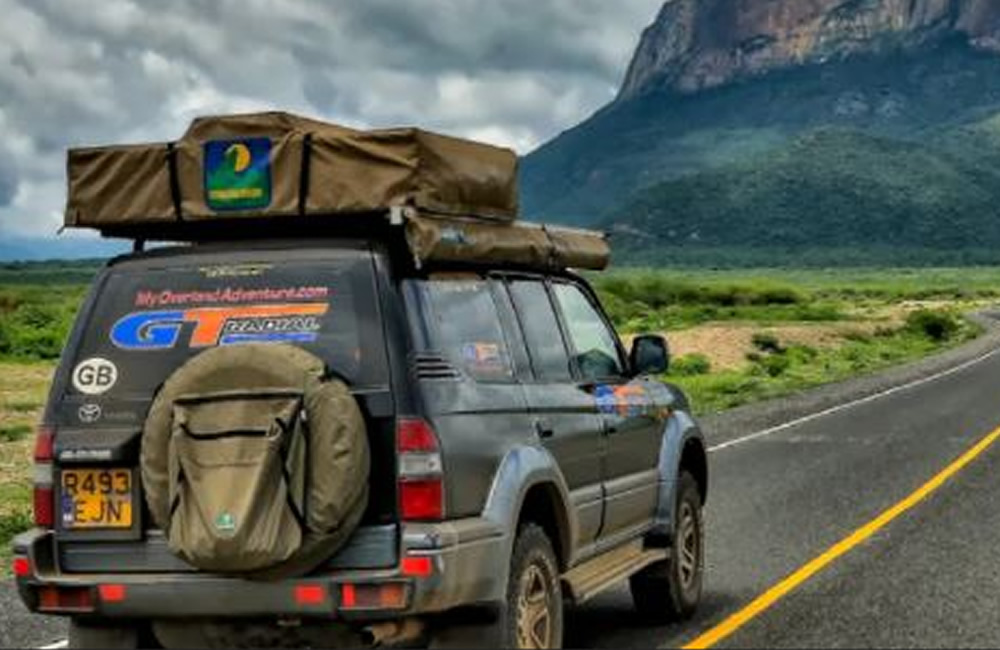
    Selecting the right vehicle is one of the most critical decisions for a successful self-drive adventure in Kenya. A sturdy 4×4 is essential for navigating both tarmac roads and the rougher murram tracks inside national parks.

    The Toyota Land Cruiser and Prado are the most trusted choices for self-drive safaris due to their reliability, high ground clearance, and excellent off-road performance. For couples or smaller groups on lighter routes, the Toyota RAV4 can also be suitable during the dry season.

    Always rent from a reputable company that offers well-serviced vehicles with full insurance, spare tires, and emergency support. Thoroughly inspect the 4×4 system and tires before departure. Choosing the right vehicle is one of the best ways to ensure a comfortable and stress-free self-drive adventure in Kenya.

    Essential Planning Tips for a Stress-Free Self-Drive Adventure

    Thorough planning is the key to any successful self-drive adventure in Kenya. Create a realistic itinerary with enough buffer time for longer drives, wildlife stops, and unexpected delays. Kenyan roads often take more time than the map suggests, especially inside parks.

    Book your accommodations and national park fees well in advance, particularly during peak seasons (July–October and December–February). Download reliable offline maps and carry a physical backup.

    Limit your daily driving to 4–6 hours to avoid fatigue. Including rest days between major transfers keeps the journey enjoyable. Taking time to plan your route, fuel stops, and daily schedule is one of the smartest top tips for a stress-free self-drive adventure in Kenya.

    Understanding Kenyan Road Conditions and Driving Culture

    Kenya’s road conditions vary significantly. Major highways between Nairobi and popular safari areas are generally well-maintained, but park roads and rural routes often consist of corrugated murram surfaces with potholes and occasional deep ruts.

    Drive defensively and reduce your speed on rough sections. Be especially cautious of matatus (public minibuses), livestock, pedestrians, and cyclists sharing the roads. In cities like Nairobi, traffic can be heavy and unpredictable during rush hours.

    Avoid driving at night outside major towns due to poor lighting and animals on the road. Understanding Kenyan road conditions and local driving habits is essential for staying safe during your self-drive adventure in Kenya.

    Safety Tips Every Self-Drive Traveler Should Know

    Safety must be your top priority for a stress-free self-drive adventure in Kenya. Never leave valuables visible in the car and always lock your vehicle, even for short stops. Stick to well-known routes and inform your lodge or hotel of your daily travel plans.

    Carry a basic recovery kit including a tow rope, jump leads, tire repair kit, and sand tracks. A satellite phone or GPS tracker offers additional peace of mind in remote areas.

    Strictly follow park rules remain on designated tracks and never approach wildlife too closely. These important safety measures will significantly reduce stress and help you fully enjoy your self-drive adventure in Kenya.

    What to Pack for a Self-Drive Safari in Kenya

    Smart packing can make or break your self-drive adventure in Kenya. Pack neutral-colored clothing, a lightweight rain jacket, sturdy hiking shoes, and a wide-brimmed hat for sun protection. High-quality binoculars and a camera with a good zoom lens are essential for wildlife viewing.

    Other important items include:

    • A comprehensive first-aid kit
    • Plenty of drinking water and energy snacks
    • Power bank and car charger
    • Offline navigation apps and a physical map
    • Basic recovery and camping equipment

    Packing efficiently and preparing for varying weather conditions will help ensure your stress-free self-drive adventure runs smoothly from start to finish.

    Budgeting and Money Matters for Self-Drive in Kenya

    Creating a realistic budget is crucial for a successful self-drive adventure in Kenya. Main expenses include vehicle rental, fuel, park fees, accommodation, and meals. A typical 10-day self-drive safari for two people usually ranges from $2,500 to $4,500 depending on the vehicle and lodging standard or you can choose to hire a car with a roof top tent and sleep on the roof of the car.

    Carry a mix of US dollars and Kenyan Shillings, as card payments are not always accepted in remote areas. Fuel up whenever possible in major towns. Careful budgeting and daily expense tracking will help you maintain control and enjoy a truly stress-free self-drive adventure in Kenya.

    Conclusion: Embrace the Freedom of Self-Drive in Kenya

    A self-drive adventure in Kenya offers unmatched freedom, flexibility, and a personal connection with this beautiful country that few other travel styles can provide. By choosing the right vehicle, planning carefully, prioritizing safety, and packing wisely, you can create a memorable and deeply satisfying safari experience on your own terms.

    Kenya’s incredible wildlife, diverse landscapes, and warm spirit are best discovered when you’re behind the wheel, following your own rhythm and curiosity.

    For reliable and well-maintained 4×4 vehicles perfect for self-drive safaris in Kenya, 4×4 Kenya Car Rentals stands out as one of the best safari companies in Kenya with the best rates.

  • Choosing the Right Kilimanjaro Tour Operator

    Climbing Mount Kilimanjaro, Africa’s highest mountain, is a life-changing adventure that demands careful preparation. While physical training and mental readiness are essential, one decision outweighs all others: choosing the right Kilimanjaro tour operator. The company you climb with will determine not only your chances of reaching the summit but also your safety, comfort, and overall experience on the mountain.

    With hundreds of operators offering Kilimanjaro climbs, understanding what separates a reputable company from a risky one is critical.

    Why the Right Tour Operator Matters

    Mount Kilimanjaro is not a technical climb, but it is physically demanding and potentially dangerous due to altitude, weather, and remote conditions. Each year, climbers are forced to turn back because of poor acclimatization, inadequate support, or a lack of proper guidance.

    A professional tour operator provides:

    • Proper acclimatization schedules
    • Experienced guides trained in altitude sickness management
    • Reliable safety protocols and emergency planning
    • Ethical treatment of mountain crew
    • High-quality equipment and logistics

    In contrast, poorly run operations often cut corners, putting climbers and staff at serious risk.

    Safety standards and emergency preparedness

    Safety should be the top priority when evaluating any Kilimanjaro tour operator. Reputable companies implement strict safety measures, including:

    • Daily health checks (oxygen saturation and heart rate monitoring)
    • Guides trained in Wilderness First Aid and altitude illness recognition
    • Emergency evacuation plans and access to rescue services
    • Oxygen cylinders and medical kits on every climb

    Operators should be transparent about their safety procedures. If a company cannot clearly explain how it handles altitude sickness or emergencies, that is a major warning sign.

    Guide experience and qualifications

    Guides play a central role in a successful Kilimanjaro climb. Experienced guides are skilled not only in navigation, but also in motivating climbers, pacing ascents, and detecting early signs of altitude sickness.

    When choosing an operator, consider:

    • How long their guides have been leading Kilimanjaro climbs
    • Whether guides are licensed by Tanzanian authorities
    • The guide-to-client ratio (smaller groups receive better attention)
    • Communication skills and leadership experience

    Well-trained guides dramatically increase both safety and summit success.

    Ethical treatment of porters and crew

    Ethical responsibility is a key indicator of a quality operator. Porters carry the majority of the equipment up the mountain and endure harsh conditions. Responsible tour operators ensure:

    • Fair wages that meet or exceed local standards
    • Proper meals, clothing, and shelter for crew
    • Reasonable load limits
    • Medical support for staff

    Many reputable companies are members of Porter welfare organizations and openly support responsible trekking practices. Ethical treatment of crew leads to better morale, better service, and a safer climb.

    Route selection and acclimatization

    Not all Kilimanjaro routes are equal. Some routes offer better acclimatization profiles than others, which directly impacts summit success.

    Well-planned operators:

    • Recommend routes based on your fitness and experience
    • Avoid overly short itineraries that increase altitude sickness risk
    • Include acclimatization days and gradual elevation gain

    Routes such as Lemosho, Machame, and Rongai generally provide higher success rates compared to rushed itineraries. Be cautious of operators offering unusually short climbs at very low prices.

    Group size and climber support

    Smaller groups allow guides to closely monitor each climber’s health and progress. Quality operators limit group sizes to ensure:

    • Personalized pacing
    • Better communication
    • Faster response to health issues

    Large, crowded groups often reduce individual attention and compromise safety.

    Equipment, meals, and logistics

    A professional Kilimanjaro tour operator provides well-maintained equipment and reliable logistics throughout the climb. Ask what is included in the package, such as:

    • Tents, sleeping mats, and dining tents
    • Nutritious meals tailored for high-altitude trekking
    • Clean drinking water
    • Park fees and permits
    • Transfers to and from the mountain

    Clear, detailed inclusions reflect a company that is organized and trustworthy.


    Price Transparency and Value

    While budget matters, the cheapest option is rarely the safest. Very low prices often mean:

    • Underpaid crew
    • Poor equipment
    • Inadequate acclimatization
    • Limited safety support

    A reputable operator provides a transparent breakdown of costs and explains what your fee covers. Value should be measured in safety, quality, and experience, not price alone.


    Reviews, Reputation, and Track Record

    Independent reviews and long-term reputation are powerful tools when choosing a tour operator. Look for:

    • Consistent positive feedback over several years
    • Honest descriptions of both challenges and successes
    • Realistic summit success rates (no guarantees)

    Be cautious of companies that promise a 100% summit rate or pressure you to book quickly.


    Key Questions to Ask Before Booking

    Before committing, ask prospective operators:

    1. What is your average summit success rate and how is it calculated?
    2. What medical training do your guides have?
    3. How do you handle altitude sickness and emergencies?
    4. What is the guide-to-climber ratio?
    5. How are porters treated and compensated?
    6. What equipment and services are included in the price?

    Clear, confident answers indicate professionalism and experience.

    Conclusion

    Choosing the right Kilimanjaro tour operator is the foundation of a safe, ethical, and rewarding climb. The best operators prioritize climber safety, responsible tourism, experienced leadership, and proper acclimatization. Taking time to research and select a reputable company not only increases your chances of reaching Uhuru Peak, but also ensures that your journey respects the people and environment of Mount Kilimanjaro.

    A well-chosen operator transforms the climb from a risky challenge into a truly unforgettable achievement.

  • How to Plan a Self Drive Safari in Kenya

    A self drive safari in Kenya is one of the most rewarding ways to experience Africa’s iconic wildlife, dramatic landscapes, and rich cultures. Unlike guided safaris, self drive safaris give you full freedom to explore at your own pace, choose your routes, and enjoy an authentic adventure across national parks, conservancies, and scenic countryside. With proper planning, a 4×4 rental, and local knowledge, driving yourself on safari in Kenya can be safe, affordable, and unforgettable.

    This detailed guide explains how to plan a self drive safari in Kenya, covering everything you need to know—from choosing the right vehicle and routes to costs, safety tips, park rules, and the best time to travel.

    Why Choose a Self Drive Safari in Kenya?

    Kenya is one of Africa’s best destinations for self drive safaris thanks to its well-known wildlife parks, relatively good road network, and diverse ecosystems. A self drive safari allows you to:

    • Travel independently without fixed schedules
    • Control your safari budget
    • Spend more time at sightings you enjoy
    • Explore remote and less crowded areas
    • Combine wildlife, beaches, and cultural experiences in one trip

    Popular destinations such as Maasai Mara, Amboseli, Tsavo East and West, Lake Nakuru, Samburu, and Hell’s Gate National Park are all accessible by road, making Kenya ideal for adventurous travelers.

    Step 1: Choose the Right 4×4 Vehicle for Kenya

    A reliable 4×4 safari vehicle is essential for a successful self drive safari in Kenya. Many national parks have rough, dusty, or muddy roads, especially during the rainy seasons.

    Recommended Self Drive Vehicles

    • Toyota Land Cruiser
    • Toyota Prado TX or TZ
    • Land Cruiser Hardtop (for serious off-road conditions)
    • 4×4 SUVs with high ground clearance

    Ensure the vehicle is well maintained and comes with:

    • Two spare tires
    • Jack and basic tools
    • GPS or offline navigation support
    • 24/7 roadside assistance

    Reputable local companies such as 4×4 Kenya Car Rentals and safari operators often provide well-equipped vehicles suitable for Kenyan conditions.

    Step 2: Plan Your Self Drive Safari Route

    Careful route planning is key when driving yourself in Kenya. Distances may look short on the map, but road conditions can significantly increase travel time.

    Popular Self Drive Safari Routes in Kenya

    Nairobi – Maasai Mara National Reserve
    The most famous self drive safari route, offering excellent wildlife viewing, especially during the Great Migration.

    Nairobi – Lake Nakuru – Lake Naivasha
    Ideal for birdwatching, rhino tracking, and scenic landscapes.

    Nairobi – Amboseli National Park
    Known for large elephant herds and stunning views of Mount Kilimanjaro.

    Nairobi – Samburu National Reserve
    A remote and rewarding route offering unique wildlife species.

    Always plan realistic driving times and avoid night driving whenever possible.

    Step 3: Understand Park Entry Rules and Fees

    Kenya’s national parks are managed by the Kenya Wildlife Service (KWS). Park entry fees vary depending on the park and your residency status.

    Important things to note:

    • Entry fees are usually paid online or via mobile payment
    • Park gates operate on fixed hours
    • Speed limits must be observed at all times
    • Off-road driving is prohibited

    Before travel, consult official guidance from the Kenya Wildlife Service website for updated park fees and regulations or contact us direct if you need more guidance .

    Step 4: Best Time for a Self Drive Safari in Kenya

    Kenya is a year-round safari destination, but some seasons are better suited for self drive travel.

    Best Seasons

    • Dry seasons: June to October and January to February
    • Easier road conditions
    • Better wildlife visibility

    Rainy Seasons

    • March to May (long rains)
    • November (short rains)
    • Roads can become muddy and challenging

    For first-time self drive travelers, the dry season is highly recommended.

    Step 5: Accommodation Planning for Self Drive Safaris

    Kenya offers a wide range of accommodation options suitable for self drive safaris:

    • Safari lodges
    • Tented camps
    • Budget campsites
    • Self-catering cottages

    Book accommodation close to park gates to reduce driving time. Many lodges inside conservancies allow flexible game drives, making them ideal for self drive travelers.

    Step 6: Safety Tips for Driving Yourself on Safari

    Safety should always be a priority when planning a self drive safari in Kenya.

    Key Safety Guidelines

    • Avoid night driving
    • Follow park speed limits
    • Never exit your vehicle near wildlife
    • Carry enough fuel, water, and snacks
    • Keep emergency contact numbers handy

    Hiring from reputable operators ensures backup support if mechanical issues arise.

    Step 7: Navigation, Fuel, and Communication

    While main highways are well marked, remote safari areas may lack signage.

    Navigation Tips

    • Use offline maps such as Maps.me or Google Maps offline
    • Carry a physical map as backup

    Fuel stations are available in major towns but scarce near parks. Always refuel before entering remote areas.

    Mobile network coverage is good around cities but limited inside parks.

    Step 8: Self Drive Safari Costs in Kenya

    Self drive safaris are generally more affordable than guided safaris.

    Typical costs include:

    • 4×4 rental per day
    • Fuel expenses
    • Park entry fees
    • Accommodation
    • Food and personal expenses

    Overall costs depend on vehicle type, travel season, and length of safari.

    Guided Safari vs Self Drive Safari in Kenya

    A self drive safari is ideal for experienced travelers who enjoy independence, while guided safaris suit those seeking convenience and expert knowledge. Many travelers choose a hybrid option—self drive with optional local guides inside parks.

    Conclusion: Is a Self-Drive Safari in Kenya Worth It?

    Absolutely. With the right planning, a reliable 4×4 rental, and respect for wildlife rules, a self drive safari in Kenya offers unmatched freedom and adventure. From the sweeping plains of Maasai Mara to the rugged landscapes of Samburu, Kenya rewards independent travelers with unforgettable wildlife encounters.

    For expert support, vehicle rentals, and safari planning advice, trusted regional operators such as Kenya car rentals and reputable Kenyan rental companies can help ensure a smooth and safe journey. Plan carefully, drive responsibly, and enjoy the thrill of exploring Kenya on your own safari adventure.

  • Experience Unique Culture on a Kenya Safari

    Kenya has always been a favorite tourist destination for travelers across East Africa. When people think of a safari in Kenya, they often imagine vast savanna grasslands, majestic elephants, and lions in the wild. While Kenya’s wildlife is world-famous, the country also offers rich and unique cultural experiences that make a safari even more memorable. Visiting local communities, learning traditional customs, and participating in cultural activities allows travelers to see a different side of Kenya one that goes beyond animals and landscapes.  From the colorful Maasai villages in the Rift Valley to the Samburu herders in the north and coastal Swahili towns along the Indian Ocean, every region has its own stories, traditions, and way of life. Experiencing these cultures provides insight into Kenya’s history, values, and daily life, adding depth and meaning to your safari journey. Combining wildlife with cultural encounters creates a truly immersive and unforgettable adventure.

    A Cultural visit in Kenya is a reflection of the purest forms of traditional culture of the 42 tribes of Kenya. Although, most of our cultural experiences are visiting authentic remote villages, the cities and townships of Kenya represent a unique culture of its own. Each city represents an interesting blend of cultures and ethnic creeds that is reflected in the architecture, food, art, clothing and much more. 

    Why go for a cultural experience in Kenya?

    Kenya is not just about wildlife and beautiful landscapes; it is also home to over 40 ethnic communities, each with its own traditions, languages, and way of life. Going for a cultural safari in Kenya adds a different layer to your safari, helping you understand the people behind the land you are exploring. Here are the main reasons why you should include cultural experiences in your Kenya trip:

    • Connect with Local Communities: Visiting villages and meeting local people allows you to see their daily lives, traditions, and skills. You can learn how Maasai warriors herd cattle, how Samburu women make beadwork, or how coastal communities practice Swahili culture. These interactions provide a personal and memorable connection that goes beyond sightseeing. 
    • Learn About Traditions and History: Cultural experiences help you understand Kenya’s history and customs. You can witness traditional dances, listen to stories from elders, and participate in ceremonies that have been passed down for generations. This gives your trip more depth and meaning, turning it into a learning journey. 
    • Support Local Economies: When you visit communities, buy crafts, or hire local guides, your money directly supports the people who live there. This ensures that tourism benefits the local population, helping them preserve their traditions and improve their livelihoods. 
    • Enjoy Unique Activities: Cultural experiences offer activities you cannot find anywhere else, like cooking traditional meals, trying local music instruments, or learning traditional crafts. These experiences are hands-on and immersive, making your safari more exciting and memorable. 
    • Create Lasting Memories: While seeing lions or elephants is unforgettable, meeting people and sharing their culture creates a personal story you can remember for a lifetime. These encounters often leave a deeper emotional impact than wildlife alone.

    Cultural Attractions in Kenya

    1. Visiting the Masai People at the Loita Plains in Narok

    The Masai are one of the few indigenous tribes in Africa that have left their culture intact. The Masai are a proud and confident people who have gained a reputation as fearless warriors. They stand out because of their colorful garments, jewelry and spear-wielding habit. The Masai depend entirely on their livestock and live a nomadic life in search of pasture/water. The Masai tend to live in communities or small settlements that can contain between 8 to 15 houses. The settlements are protected from predators using thorn fences and bushes.

    Most tourists who visit the Masai Mara tend to make a stop at Loita plains in Narok. During this stop, tourists are led by a Guide to visit the Masai homesteads. While with the Masai, tourists can help tend to the goats, sheep and cattle. There is also an opportunity to meet the elders where visitors get to learn more about the history of the Masai and their culture. If you spend the evening with the Masai, you can also get a chance to listen to folk songs, stories or dance around the campfire.

    1. Spend time with the Luo Speaking people

    The Luo are one of the 3 dominant tribes in Kenya. The group moved from South Sudan and traveled to Kenya through Uganda. Most now live in Kisumu or the wider Nyanza province which is close to Lake Victoria. While visiting the Luo people, you will not only experience their rich culture but also visit Lake Victoria and the Kit-Mikayi. Kit-Mikayi is a rock formation with a lot of historical importance to the Luo people. Many villages still go to this rock for sacrifices and prayer.

    1. Experience the Islamic Culture in Lamu

    Lamu is the oldest town along the coast of Kenya. It is an archipelago consisting of other islands like Kiwayu. Lamu is a traditionally Swahili and Muslim town Cultural tourism in Kenya hence one of the best places to experience the Swahili culture. It is also a great place to learn about the kind of life lived by the first Arab traders who arrive as early as the 11th Century.  They still use Dhows for navigating through the Indian Ocean and donkeys while on the island.

    On a typical visit, tourists take time to explore the narrow streets in town before going to enjoy the pristine beaches of the different islands. Other activities in Lamu include swimming with dolphins and other water sports. By the end of your visit to the archipelago, you would have discovered beautiful scenery, ancient buildings and leant a lot about the history of the Swahili language/culture.

    1. An Encounter with the Turkana and El Molo

    The Turkana live in the northern part of Kenya and are also pastoralists like the Masai. The area where they live is arid forcing them to move from place to place looking for fresh pasture and water for their animals. As climate change and land degradation becomes more prominent, the Turkana are gradually embracing other ways of making a living. It is now possible to find them employed in cities or as fishermen in Lake Turkana. Visiting the Turkana will offer an amazing cultural experience that is comparable to the Masai. A visit is incomplete without visiting Lake Turkana to also visit the endangered El Molo tribe.

    1. Visit the Kamba People in Machakos

    The Kamba are one of the prominent and more assertive tribes of Kenya. Most of them live in Machakos town. This town is now a major tourist attraction and lot of development work was undertaken in recent years. A full national park was established in Machakos recently where tourists who are interested can spot some of Kenya’s famous wildlife.

    1. The Samburu

    The Samburu are one of the closest relatives of the Masai. Like the Masai, the Samburu have not allowed western influences to erode their original culture.  Like the Masai, they speak Maa and arrived in Kenya from what is now South Sudan.  Their dancing style is similar to the Masai and also involves dancing high in circles. The Samburu are also nomadic pastoralists and depend on their animals for survival. The Samburu feed on cow milk, meat and blood. They will only sell their animals on special occasions or to get money.

    1. The Mijikenda Kaya forests

    To experience the unique cultures of some parts of Kenya, you must visit these sacred forests. There are 11 forests in the area each surrounded by villages which were built in the sixteenth century. Most of the village folks abandoned the villages in the 1940’s leaving behind the elders to keep the cultural values alive. The elders have ensured that their ancient practices and believes remain intact. Visit the Mijikenda Kaya forests for a truly unique cultural experience that is different from everything else we have discussed so far.

    1. Visit the Bomas of Kenya

    If you don’t have enough time to visit the individual tribes in the countryside, you can simply visit the Bomas of Kenya for a chance to see all the different tribal groups in one place. The center was opened in 1971 and is found in Nairobi, along Lang’ata Road. The Bomas of Kenya is special because it offers variety hence allowing tourists to see, experience and learn everything there is to know about Kenya’s different cultural groups. The experience can be overwhelming and we recommend that you set aside a full day to enjoy everything on offer.

    1. Mombasa

    Apart from enjoying the beautiful beaches of the Indian Ocean, Mombasa is one of the best places to experience the Swahili culture in all its variations. In fact, there is a saying that you have not cultural safari in Kenya known the Swahili language until you have met someone from Mombasa. For citizens of Kenya, listening to the Swahili spoken in Mombasa may make you question your own knowledge of the language.

    The culture of residents of Mombasa was deeply influenced by the Arab and Persian traders who first visited the coast of East Africa over 400 years ago. They intermarried with the locals resulting in the birth of the Swahili culture. The Arabs, Persians and Europeans left behind stunning architectural wonders which are separate attractions of their own. Fort Jesus for example was built in 1593 by the Portuguese to secure the coastal area and control the lucrative trade with the mainland. You can read more about the tourist attractions in Mombasa.

    1. The Carnivore Restaurant

    If you are in Nairobi and do not have enough time to visit the villages upcountry, you can simply attend the Theme nights at the Carnivore restaurant. There is also a theme night for each of the major tribes (Kikuyu, Luo, Kamba, Luhya and Kalenjin) in Kenya. Only one tribe is featured in a night to show off their traditional music, dance, foods and local brews. All in all, visiting the theme nights at the Carnivore restaurant offer unique opportunities to learn about the culture of the different tribes without having to travel upcountry.

    1. National Museums and Archives

    Visiting the National Museums and Archives is also recommended for those who are in the country for a short time. The National Archives in Nairobi contains records of all the different cultural groups in Kenya. Visiting the National Museums in Kenya is equally rewarding allowing you to see cultural artifacts and other information left behind by the British colonial government. There is always a resident dance troupe to entertain visitors and showcase all that is good about the people of Kenya.

    Conclusion

    Experiencing Kenya’s rich cultures adds a special dimension to any safari. Beyond the thrill of spotting lions, elephants, and zebras, meeting local communities, learning their traditions, and participating in their daily life allows travelers to connect with the country on a deeper level. From the Maasai and Samburu in the north to the Swahili coastal towns, every cultural encounter provides insight into Kenya’s history, values, and way of life. These experiences not only create lasting memories but also support local communities and help preserve their heritage. By combining wildlife adventures with cultural exploration, your Kenya safari becomes more than just a journey through nature it transforms into a truly immersive and unforgettable adventure that celebrates both the land and its people.

  • Ultimate Packing List for Kenya Safari

    Packing for a Kenya safari is one of the most important steps in planning a successful trip. The right gear and essentials can make your safari more comfortable, safe, and enjoyable, whether you are visiting national parks, reserves, or remote wilderness areas. Kenya’s climate varies depending on the season and region, from the hot savannahs of the Masai Mara to the cooler highlands near Nairobi and Mount Kenya. A well-prepared traveller considers not only clothing and footwear but also items for wildlife viewing, photography, health, and safety. Choosing the right equipment ensures you can fully enjoy game drives, walking safaris, and cultural experiences without discomfort or inconvenience.

    In this guide, we will cover everything you need to pack for a Kenya safari, including clothing, accessories, gadgets, and health essentials, helping you embark on your adventure confidently and prepared for any situation. 

    CLOTHING

    • Neutral-Colored Clothing: Opt for neutral tones like khaki, beige, and olive green to blend in with the natural surroundings and avoid attracting unwanted attention from wildlife.
    • Long-Sleeved Shirts and Pants: These protect you from the sun and potential insect bites. Lightweight, breathable fabrics like cotton or moisture-wicking materials are ideal.
    • Sweater or Fleece: Evenings and early mornings on safari can be chilly, so pack a lightweight sweater or fleece to stay warm.
    • Comfortable Walking Shoes: Choose closed-toe shoes that are comfortable for walking and offer good support, especially if you plan on any bush walks.
    • Hat and Sunglasses: Protect yourself from the sun with a wide-brimmed hat and UV-blocking sunglasses.
    • Swimwear: If your safari includes a lodge with a pool or if you plan to visit coastal areas post-safari, pack swimwear.
    • Rain Gear: Kenya’s weather can be unpredictable, so bring a lightweight rain jacket or poncho just in case.

    GEAR

    • Binoculars: Enhance your wildlife viewing experience by bringing a pair of binoculars to spot animals from a distance.
    • Camera and/or Binoculars with Camera Function: Capture stunning photos of Kenya’s diverse wildlife and landscapes. Don’t forget extra memory cards and batteries.
    • Flashlight or Headlamp: Essential for navigating campsites or lodges after dark and for nighttime game drives.
    • Power Bank: Keep your electronics charged, especially if you’re spending multiple days in the wilderness.
    • Reusable Water Bottle: Stay hydrated during your safari by bringing a reusable water bottle. Some lodges and camps provide filtered water for refills.
    • Daypack or Safari Bag: Carry essentials like water, sunscreen, insect repellent, and snacks during game drives.
    • Travel Adapter: Kenya typically uses Type G electrical outlets, so bring a suitable adapter to charge your devices.

    PERSONAL ITEMS

    • Sunscreen and Lip Balm: Protect your skin and lips from the harsh African sun.
    • Insect Repellent: Ward off mosquitoes and other insects to prevent bites and potential diseases like malaria.
    • Hand Sanitizer and Wet Wipes: Maintain good hygiene, especially when access to running water is limited.
    • Personal Medications and First Aid Kit: Pack any prescription medications you need, along with a basic first aid kit for minor injuries.
    • Toiletries: Bring travel-sized toiletries like toothpaste, shampoo, and soap. Many lodges and camps provide basic amenities, but it’s always good to have your own.
    • Travel Documents and Identification: Carry your passport, travel insurance details, and any necessary permits or vouchers in a waterproof pouch.
    • Cash and Credit Cards: While larger towns and cities accept credit cards, it’s wise to carry some cash for tipping and small purchases in rural areas.

    OPTIONAL EXTRAS

    • Guidebooks or Field Guides: Learn more about Kenya’s wildlife and culture with guidebooks or field guides.
    • Travel Journal and Pen: Document your safari adventures and memories in a journal.
    • Snacks: Pack non-perishable snacks like nuts, energy bars, and dried fruit for long drives or bush walks.
    • Safari Hat: Besides sun protection, a safari hat adds a touch of authenticity to your safari attire.
    • Travel Pillow and Blanket: Comfort items for long drives between safari destinations or flights. 

    Conclusion

    Packing the right items is key to enjoying a comfortable and memorable safari in Kenya. By preparing appropriate clothing, sturdy footwear, essential gadgets, health and safety supplies, and a few personal comforts, you can fully focus on experiencing the country’s wildlife, landscapes, and culture. Thoughtful packing ensures you are ready for early morning game drives, long days in the sun, and unexpected adventures, while staying safe and comfortable throughout your journey. With the right preparation, your Kenya safari becomes not only exciting but also smooth, allowing you to create unforgettable memories without worrying about what you forgot to bring.

  • The Ultimate Kilimanjaro Packing List: What to Bring and What to Leave Behind

    Climbing Mount Kilimanjaro is a thrilling adventure, but it requires careful preparation — and that includes packing the right gear. The gear you bring can make a huge difference in your comfort, safety, and success on the mountain. But with so many things to consider, it’s easy to overpack or forget essential items. In this guide, we’ve compiled the ultimate packing list to help you prepare for your Kilimanjaro trek — and ensure that you have everything you need for an unforgettable journey.

    Essential Clothing: Layering for Comfort and Safety

    Mount Kilimanjaro spans five ecological zones, and as you ascend, the temperature can vary drastically — from tropical heat at the base to freezing cold at the summit. Layering your clothing is key to staying comfortable and protected throughout the trek.

    1. Base Layer (Moisture-Wicking)

    The first layer is crucial for moisture control. As you hike, your body will sweat, and a moisture-wicking base layer will keep that sweat off your skin to prevent chafing and discomfort. Opt for lightweight synthetic or merino wool materials to stay dry and warm.

    • Top: A moisture-wicking long-sleeve shirt or t-shirt.
    • Bottoms: Moisture-wicking underwear and long pants (preferably lightweight and quick-drying).
    1. Mid Layer (Insulating Layer)

    As you climb higher, the temperature drops, and you’ll need to add an insulating layer. A fleece jacket or a down jacket works well for this purpose. Choose something lightweight and packable that can be added or removed as needed.

    • Top: Fleece or soft-shell jacket.
    • Bottom: Fleece pants or insulated leggings for warmth during the colder hours.
    1. Outer Layer (Waterproof and Windproof)

    At higher altitudes, you may face unpredictable weather, including rain, wind, and snow. A high-quality waterproof and windproof jacket and pants are essential to keep you dry and warm.

    • Jacket: A durable, breathable, and waterproof jacket with a hood.
    • Pants: Waterproof and windproof trekking pants to protect against rain and wind.
    1. Accessories
    • Gloves: A pair of warm, waterproof gloves for summit day (consider liner gloves for extra warmth).
    • Hat: A lightweight hat for sun protection and a warm beanie for the colder weather.
    • Neck Gaiter/Buff: Great for protecting your neck, face, and ears from the cold and sun.

    Footwear and Gear: Foot Care is Key

    Your feet will be your best friend on the trek, so choosing the right footwear and accessories is essential for comfort and safety.

    1. Trekking Boots

    A sturdy, well-fitted pair of trekking boots with good ankle support is a must. Look for waterproof boots with good traction to handle the rough and sometimes slippery terrain. Be sure to break them in before the trip to avoid blisters.

    1. Camp Shoes

    After a long day of trekking, your feet will appreciate a break from the boots. A pair of comfortable, lightweight camp shoes (such as sandals or sneakers) will allow your feet to breathe and recover.

    1. Socks

    Proper socks are a vital part of foot care. Bring several pairs of moisture-wicking socks to prevent blisters and keep your feet dry. Merino wool or synthetic blends are excellent options, and you’ll want both thick socks for warmth and thin socks for comfort on lower altitudes.

    • 4-6 pairs of socks (preferably moisture-wicking).
    • Liner socks to prevent blisters and reduce friction.
    1. Trekking Poles

    Trekking poles are highly recommended for stability and support, especially when navigating steep sections. They can help reduce the impact on your knees and provide balance in uneven terrain. Make sure your poles are adjustable to accommodate varying terrain.

    1. Backpack

    A daypack (around 20-30 liters) is essential for carrying your personal items like water, snacks, a first-aid kit, and layers of clothing. For the larger load, a duffel bag (or trekking gear bag) will be carried by porters.

    • Daypack: Lightweight with a comfortable harness.
    • Duffel bag: To store your main items, typically a 60-70L size.

    Personal Items: The Essentials for Health and Comfort

    When packing for Kilimanjaro, it’s important to bring the right personal items that will keep you healthy and comfortable throughout the journey. Here’s a list of the must-have items to keep on hand.

    1. Water and Hydration System

    Staying hydrated is essential when trekking at high altitudes. A hydration system (like a Camelbak) or water bottles (preferably 2-3 liters) is necessary to drink regularly. Many routes offer access to water at camp, but it’s a good idea to bring a water purification method (e.g., purification tablets or a water filter).

    • Water bottles (with at least 2 liters capacity).
    • Water purification tablets or a filter.
    1. Snacks and Energy Foods

    The days on Kilimanjaro are long, and having high-energy snacks to keep your energy up is crucial. Pack items like:

    • Energy bars (e.g., granola bars, protein bars).
    • Nuts and dried fruit for a quick source of calories.
    • Electrolyte tablets or drinks to replenish minerals.
    1. First-Aid Kit

    Though your guides will carry a basic first-aid kit, it’s a good idea to bring some personal medications and supplies. Include things like:

    • Pain relievers (e.g., ibuprofen or paracetamol).
    • Altitude sickness medication (check with your doctor before the trip).
    • Blister treatment (band-aids, blister pads).
    • Antiseptic wipes and creams.
    1. Sunscreen and Lip Balm

    The high-altitude sun can be intense, even when it’s chilly. Protect your skin and lips with:

    • High SPF sunscreen (SPF 50+).
    • Lip balm with SPF.
    1. Headlamp and Batteries

    A headlamp is essential for navigating in the dark, especially during summit day when you’ll be starting your ascent in the early hours. Pack extra batteries, as the cold can drain power quickly.

    • Headlamp with extra batteries.
    • Chargers for your phone or camera, though electricity is limited.

    What to Leave Behind: Avoiding Overpacking

    While it’s tempting to bring everything you might need, overpacking is a common mistake. Kilimanjaro’s environment requires you to be both practical and prepared, but that doesn’t mean you need to overstuff your bag with unnecessary items. Here’s what you can leave behind:

    1. Too Many Clothes

    While layering is essential, don’t overdo it. You won’t need multiple outfits. Keep it simple with the essentials, and remember that your trek is about comfort and function.

    • Leave behind: Extra clothes that you don’t need, especially those that won’t be used during the trek.
    1. Heavy or Bulky Gear

    You’ll be trekking for several days, and lighter is better. Avoid packing items that are too bulky or heavy.

    • Leave behind: Heavy cameras (bring a lightweight one instead), unnecessary gear, and non-essential luxuries like jewelry or excessive toiletries.
    1. Too Much Food

    While snacks are important, you don’t need to overpack. Your guides will provide meals along the way, and you’ll have access to plenty of food at camp.

    • Leave behind: Excess food that takes up space and weight in your pack.

    Packing Smart for Your Kilimanjaro Adventure

    Packing for Kilimanjaro doesn’t have to be overwhelming. By following this comprehensive packing list, you’ll ensure you have everything you need for a safe, comfortable, and successful trek. Focus on layering, keeping your load light, and bringing the essentials for health, hydration, and safety.

  • Understanding Car Rental Terms and Conditions

    Understanding Terms and Conditions when Renting a Safari Vehicle

    When renting a safari vehicle in East Africa, it’s vital to go through the terms and conditions provided by the car rental company. These terms can often be lengthy and filled with legal language, but they are extremely important to understand, as they set the expectations for both you and the company. A safari is a unique kind of travel, where you might face unexpected challenges like rough terrain, wildlife encounters, or changes in weather. Therefore, knowing the terms of your rental can save you from unpleasant surprises and help you navigate your trip with ease. In this guide, we will explain in simple terms what to look for in the rental company’s terms and conditions to ensure a smooth and enjoyable safari. 

    1. Rental Duration and Pickup/Drop-off Times

    One of the first things to check in the terms and conditions is the rental period, including pickup and drop-off times. These details outline how long you can rent the vehicle and when you need to return it. Many rental companies operate with specific hours, so knowing when you can pick up and drop off the car is crucial to avoid late fees or issues with availability.

    • Rental Period: Ensure you are clear on how long you have the vehicle. If your safari plans change, or if you want to extend your rental, confirm whether the company allows for flexibility and if additional charges apply.
    • Pickup and Drop-off Times: Some companies allow for pick-up and drop-off at specific times, while others may offer 24-hour service. Make sure the company’s schedule aligns with your travel itinerary, especially if you’re arriving late at night or early in the morning.
    • Early Returns: If you return the vehicle earlier than expected, it’s important to check whether you’ll receive a refund or whether you will still be charged for the full rental period.
    1. Insurance Coverage

    Insurance is one of the most important factors to consider when renting a safari vehicle. East Africa is known for its rugged terrain and diverse wildlife, which can pose challenges for travelers. The terms and conditions will detail what types of insurance are included and what additional coverage may be necessary.

    • Basic Insurance: Typically, a basic insurance package is included in the rental cost, covering damage to the vehicle and third-party liability. However, this may have limitations, so it’s essential to know exactly what is covered.
    • Theft Protection: Theft can be a concern in certain regions, so ensure that the terms clearly state whether theft protection is included in the insurance or if it requires an additional fee.
    • Personal Accident Insurance: While rental companies may offer personal accident insurance, this coverage is often optional. It’s a good idea to check if it’s provided or if you need to purchase separate coverage for accidents involving passengers or drivers.
    • Excess or Deductible: The excess or deductible is the amount you must pay out-of-pocket if damage or theft occurs. Rental companies typically set a standard excess, but this can vary, and you may have the option to reduce it by paying extra. Review this carefully to avoid unpleasant surprises.
    • Off-Road Driving Exclusions: In many cases, the standard insurance may not cover off-road driving or accidents caused by driving in national parks or reserves. Since many safari vehicles are used in these areas, check whether off-road driving is covered or if additional insurance is needed.
    1. Mileage Limits and Fuel Policy

    It’s also important to check the company’s mileage policy. Some car rental companies impose mileage limits, meaning you may only be allowed to drive a certain number of kilometres per day or during your entire rental period. If you exceed this limit, there could be additional charges.

    • Unlimited Mileage: Many safari vehicle rentals offer unlimited mileage, meaning you can drive as much as you need without incurring extra charges. This is often the preferred option for those embarking on long safari journeys across vast distances.
    • Mileage Limits: If the rental has a mileage limit, be sure to check how many kilometres are included in your rental. If you expect to do a lot of driving, you might want to opt for a rental with unlimited mileage or check the cost of additional kilometres.
    • Fuel Policy: Most rental companies require the vehicle to be returned with the same fuel level it had when you picked it up. If the vehicle is not returned with a full tank, there may be additional charges. Some companies may offer a “full-to-full” fuel policy, while others may offer a “full-to-empty” policy, where they charge you for the full tank and you are not required to fill it up before returning the vehicle.
    • Fuel Charges: It’s important to check whether the company will charge you extra for fuel if you don’t return the car with a full tank. You should also ask whether they offer any fuel options, such as a prepaid fuel option, which may be more convenient for your journey.
    1. Age and Licensing Requirements

    Car rental companies usually have age restrictions and licensing requirements. Make sure the terms clearly outline the minimum and maximum age for drivers and the type of driver’s license you need.

    • Minimum Age: Most rental companies require drivers to be at least 21 or 25 years old. In some cases, young drivers (typically under 25) may need to pay an additional fee. Check if there’s an age requirement that applies to your situation.
    • International Driver’s Permit (IDP): Some companies may require you to have an International Driver’s Permit in addition to your regular driver’s license, especially if you’re a foreign traveller. Make sure to check if this is necessary and allow time to obtain an IDP before your trip.
    • Driver’s License: Ensure that your driver’s license is valid for the duration of your rental period. Some companies may require you to show your driver’s license at pickup and could refuse the rental if it’s expired or not in the correct language.
    1. Security Deposit and Payment Terms

    The rental agreement will outline the deposit required when renting the vehicle. This is often a security deposit to cover any potential damages, fines, or additional charges that may arise during the rental period.

    • Deposit Amount: Rental companies typically ask for a deposit to secure the vehicle. This deposit is often held on your credit card and is refunded once the car is returned in good condition. Make sure to ask about the deposit amount and how long it will take to receive the refund.
    • Payment Methods: Check what payment methods are accepted by the company, as some may only accept credit cards, while others might also accept debit cards or cash. Credit cards are typically preferred because they provide a level of security for the rental company.
    • Additional Fees: Review the terms to see if there are any extra charges not included in the original price. These might include extra driver fees, additional insurance costs, or charges for late returns. Be sure to account for these extra costs when budgeting for your rental.
    • Late Return Fees: If you plan to return the vehicle later than the agreed-upon time, be aware of any late return penalties. These fees can add up quickly, so ensure you return the vehicle on time.
    1. Driving Restrictions and Road Conditions

    Understanding where you are allowed to drive the rental vehicle is critical for your safari. Some rental companies may impose restrictions on where the vehicle can be taken, particularly in national parks or remote areas.

    • Off-Road Restrictions: Many rental companies prohibit off-road driving unless the vehicle is specifically equipped for it. Safari vehicles are typically built for off-road use, but it’s still important to confirm that off-road driving is allowed in the areas you plan to visit.
    • Cross-Border Travel: If you plan to visit more than one country during your safari, check whether the rental company permits cross-border travel. Some companies restrict rentals to a single country, while others may charge extra for taking the vehicle across borders.
    • National Parks and Reserves: Some national parks and reserves may have their own regulations regarding vehicles, so confirm with the rental company whether they allow the vehicle to enter these areas. There may also be specific routes or roads that are prohibited.
    1. Vehicle Condition and Maintenance

    It’s essential to check the condition of the vehicle before you sign the rental agreement. Most companies conduct a pre-rental inspection, but it’s also your responsibility to check for any existing damages.

    • Pre-Rental Inspection: When you pick up the vehicle, do a thorough inspection and note any existing scratches, dents, or mechanical issues. Take pictures or videos as evidence in case the company holds you responsible for pre-existing damages.
    • Vehicle Age and Maintenance: Ask about the age of the vehicle and whether it has been recently serviced. Safari vehicles should be regularly maintained to ensure they can handle rough terrain and challenging weather conditions. Ensure the company provides vehicles that are in good working order, with functioning tires, brakes, and essential equipment.
    • Emergency Equipment: Verify that the vehicle is equipped with necessary emergency supplies such as a first-aid kit, spare tire, jack, and tools. It’s also wise to check for a working flashlight, fire extinguisher, and jumper cables.
    1. Communication and Support

    Finally, make sure that the rental company offers clear communication and reliable support during your safari. Whether it’s roadside assistance or simply answering questions during the rental process, having good communication is crucial.

    • Roadside Assistance: Check if the company offers 24/7 roadside assistance in case of a breakdown. This can be especially important in remote areas where help may not be easily accessible.
    • Contact Information: Make sure you have the rental company’s contact information on hand in case of emergencies. This should include a phone number and email address for customer support.

    Conclusion: Understanding the terms and conditions of your East Africa car hire is vital for a smooth and enjoyable experience. By reviewing the rental agreement carefully, you can avoid unexpected costs, ensure that you are fully insured, and guarantee that you have the right support in place for your adventure. With this knowledge, you can confidently embark on your East African safari, knowing that you’ve made informed decisions regarding your rental vehicle.

  • Easy Ways to Immerse Yourself in Culture while Traveling

    Traveling is not just about visiting popular tourist spots, but about experiencing the local culture in meaningful ways. Whether you are exploring a new city or a remote village, immersing yourself in the culture can lead to unforgettable memories and a deeper understanding of the place you are visiting. However, when you are busy with a packed itinerary, it can be easy to miss out on these authentic African safari experiences. I have known people who have left a country feeling like they never really experienced the authentic culture. Do not let this be you! With these said, you will find easy ways to immerse yourself in local culture while traveling. Make these a priority and you will head home feeling like you had a truly well-rounded experience with no regrets.

    TRY TO SPEAK THE LANGUAGE

    I know that speaking a new language can feel scary. But listen to this: even if you are not perfect, trying to speak the local language can help you connect with people. Whether it is saying “hello,” ordering food, or asking for directions, people usually like it when you try. Even if you make a mistake, they will probably smile. Don’t worry about getting things wrong; mistakes can make people laugh or help you learn. Speaking the language helps you understand the culture better and connect with others. So, give it a try and learn a few phrases.

    TRY THE FOODS 

    Diving into the local culinary scene, even when unfamiliar, is a delicious gateway to immerse yourself into a new culture during your travels. And one of my favourite ways to experience a culture, do not hesitate to try the foods, even if you are not sure you would like them. Sampling regional dishes exposes your palate to unique flavors, textures and traditions. For example, I absolutely despise Ugali in the Kenya, but trying it in Uganda is a game changer, experiencing a culture through the food scene truly creates some of the most memorable moments. It’s an easy and appetizing way to truly connect with the authenticity of your surroundings. 

    TALK TO LOCALS TO LEARN ABOUT THEIR CULTURE

    I truly believe that having conversations with locals is one of the most powerful ways to immerse yourself in a new culture during your travels. Whether it is at a cafe, market, or event, striking up a conversation can led to some exciting things. Locals often possess a wealth of knowledge about their hometown, sharing insights, recommendations, and stories that can’t be found on Google. Take the opportunity to ask locals questions, listen, and exchange experiences. It’s moments like these that will help you have a better, more memorable time during your travels, and you will remember them every time you reflect on your trip in the future.

    GO OFF THE BEATEN PATH

    As much as we have to cross off those bucket list tourist spots such as the Parthenon or the Colosseum, always make sure to leave some time in your busy itinerary to just wander. Venturing off the beaten path is an easy way to unlock hidden treasures and truly absorb the authentic essence of a destination during your travels. So, take the road less travelled, explore neighbourhoods away from tourist hubs, and discover the charm of lesser-known gems. Wander through local markets, meander down quiet streets, and stumble upon unique spots that escape the guidebooks.

    DO NOT STAY IN A HOTEL OR RESORT

    Ditching the traditional hotel or Airbnb for a homestay with a local family is the ultimate passport to cultural immersion and trust me, it is a game-changer. I will never forget my experience staying with locals in the Kaabong. We could not speak a word of each others language, but some how I learned more in this experience than any other in my time traveling. It may sound intimidating, but I promise staying with a family is an experience a five-star hotel can never replicate!

    SPEND SOME TIME IN ONE PLACE TO TRULY IMMERSE YOURSELF IN THE CULTURE

    If you are anything like me, you cherish every precious vacation day. In the rush to make the most of limited time off, it is tempting to cram your itinerary with numerous experiences. While I appreciate the allure of fast paced travel, my heart truly belongs to the art of slow exploration.

    Even if you can not dedicate an entire month to one location, consider extending your stay by a couple more days. Embrace the luxury of unhurried moments to truly immerse yourself in the culture of a place. Experiencing a city’s food scene or culture requires more than just a fleeting day or two. That is why I advocate for having multiple plan free days in one spot. These days are designed for aimless wandering, allowing the city’s enchanting streets, vibrant restaurants, and charming cafes to unfold before you at their own unhurried pace.

    GET OUT OF MAJOR CITIES

    While precious landmarks and common attractions may lure you into urban centers, consider venturing beyond the city limits to discover the authentic culture of a destination. Smaller towns and rural areas often hold hidden treasures, offering a glimpse into genuine local life, traditions, and customs.

    So be sure to spend some time out of the urban frenzy of the city! From charming countryside villages to coastal retreats, the lesser-explored regions can provide a more intimate and immersive experience.

    TAKE A COOKING CLASS

    This is one of the best ways to meet locals while learning their culture through their food! Whether it’s pasta making in Italy or a Peruvian cooking class in Cusco, this is a way to create a memory that will last a lifetime. Plus, you’ll have the knowledge to recreate a recipe once you’re back home.

    AVOID CHAIN RESTAURANTS

    Forget about those chain restaurants and venture into the culinary heart of a destination by exploring authentic, locally-owned eateries. These will provide a much more authentic experience!

    So steer clear of those generic restaurants near touristy places and opt for some hidden gems off the beaten path. Doing some research prior will always pay off. By reading blog posts, checking ratings, and talking to locals, and you’ll get a better feel for the best authentic restaurants and you’ll leave remembering those unique tastes forever!

    TAKE A WALK WITH THE GOAL TO GET LOST

    Taking a leisurely stroll with the intention of getting lost can be a delightful and enriching way to immerse yourself in the local culture during your travels. Exploring unfamiliar alleys and pathways often leads to serendipitous discoveries, as you stumble upon hidden gems and unexpected delights that may not be on your original itinerary.

    Looking back on my travels, these spontaneous encounters are often some of my most memorable travel experiences! So, take a walk with a goal to get lost, embrace the unexpected, and let the local culture reveal itself in ways you wouldn’t have imagined. It’s an easy yet effective way to truly connect with the destination you’re exploring.

    Conclusion

    To truly immerse yourself in a new culture while traveling, it’s important to slow down, engage with locals, try new things, and step outside the usual tourist paths. By prioritizing these experiences, you’ll return home with a richer, more memorable travel experience that goes beyond just visiting landmarks.